 Nephrology
 Urology
 Andrology
 Fertility (IVF)
 General Nephrology
 Paediatric Nephrology
 Dialysis
 Renal (Kidney) Biopsy
 CRRT
 Peritonial Dialysis
 Robotic Surgery
 Urinary Incontinence
 Uro-Oncology
 Laparoscopic Urology
 Reconstructive Urology
 Anaesthesiology
 Radiodiagnosis
 Nutrition and Dietetics
 Pediatric and Immunization
 Cardiology
 Intensive Care Unit





Kidney Function Test: Why It’s Essential for Kidney Health
Importance of Kidney Function Tests for Early Detection
Kidneys do more than just filtering waste; they balance fluids and keep your body functioning.
A kidney function test is performed to analyse how well your kidneys are functioning. This is a report card of your kidneys.
A kidney function test checks key markers like creatinine and eGFR. This helps in detecting early signs of damage.
A regular check would benefit those with underlying diseases and a family history of kidney problems
 and Why Is It Done-1753352771645.jpg)
What Is a Kidney Function Test (KFT) and Why Is It Done?
KFT involves a group of blood and urine tests that help in assessing kidney functionality. With kidney diseases on the rise in India, especially in urban places like Bangalore (Bengaluru), A KFT test is crucial to safeguard your kidneys.
What Does a Kidney Function Test (KFT) Measure?
- Creatinine
- Blood urea nitrogen (BUN)
- eGFR (estimated glomerular filtration rate)
- Uric acid
- Electrolytes
- Urinalysis
- Minerals and more
These key markers reflect how efficiently your kidneys filter waste and maintain fluid balance.
According to the National Kidney Foundation, 1 in 10 people in the India have some form of kidney disease, often without knowing it.
An early detection is possible with a simple KFT, ensuring timely treatment and better recovery.
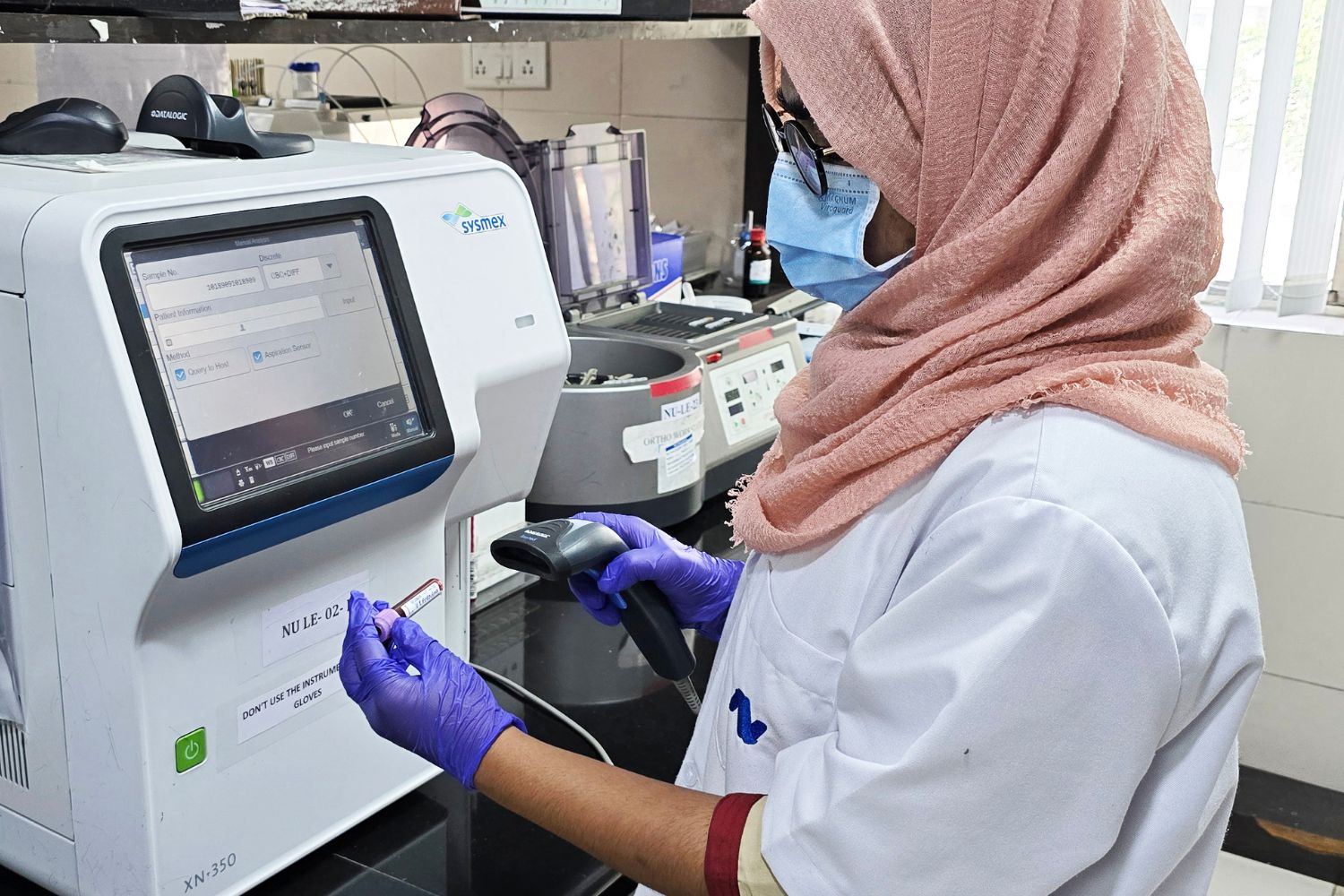
Key Kidney Function Test Markers Explained
A typical KFT test includes multiple markers that assess different aspects of kidney function.
Here are a few important markers:
-
Serum Creatinine: What It Indicates
A waste product from muscle activity
Normal range:
-
Men: 0.7 to 1.3mg/dL
-
Women: 0.6 to 1.1mg/dL
High levels of creatinine mean poor filtration, a possible indication of chronic kidney disease
-
Blood Urea Nitrogen (BUN): Kidney Health Marker
It is a waste produced from protein breakdown.
Normal range:
7 to 20mg/dL
High levels indicate dehydration, kidney dysfunction, or a high-protein diet
-
eGFR (Estimated Glomerular Filtration Rate): Normal & Abnormal
This is a calculation that estimates how well your kidneys filter waste.
Normal range:
90–120 mL/min/1.73 m^2
Below 60 may indicate moderate to severe kidney disease.
-
Uric Acid Levels in Kidney Function Test
It is a waste product filtered out by your kidneys
Normal range:
-
-
Men: 3.5 - 7.0 mg/dL
-
Women: 1.5 - 6.0 mg/dL
-
Elevated levels may indicate kidney stones, poor kidney function, or gout (arthritis).
-
Electrolytes in KFT: Sodium, Potassium, Chloride & Bicarbonate
Minerals that help balance fluids and support nerve/muscle function.
Normal range:
-
-
Sodium: 135 - 145 mEq/L
-
Potassium: 3.5 - 5.1 mEq/L
-
Chloride: 98 - 106 mEq/L
-
Bicarbonate: 22 - 29 mEq/L
-
Imbalance in electrolytes can indicate dehydration, kidney or adrenal problems.
-
Calcium and Phosphorus: Bone & Kidney Health Indicators
Regulated by the kidneys, they are important for bone health.
Normal range:
-
-
Calcium: 8.5 - 10.5 mg/dL
-
Phosphorus: 2.5 - 4.5 mg/dL
-
Abnormal levels indicate kidney disease, bone metabolism issues, or hormonal imbalance.
-
Urinalysis: Detecting Kidney Problems Through Urine
This tests urine for protein, blood, sugar, and signs of infection
Normal:
No protein, blood or abnormal substances in the urine
Abnormal findings indicate:
Kidney damage, urinary tract infection, and diabetes related kidney issues.
Kidney Function Test (KFT) Values: Normal Ranges & Abnormal Results
-1753353236101.jpg)
|
Test |
Normal Range |
What does an abnormal value indicate |
|
Serum Creatinine |
Men: 0.7 - 1.2 mg/dL Women: 0.6 - 1.1 mg/dL |
Reduced kidney function or kidney damage |
|
Blood Urea Nitrogen |
7 - 20 mg/dL |
High: Kidney dysfunction or dehydration Low: liver disease or malnutrition |
|
Uric Acid |
Men: 2.5 – 7.2 mg/dL Women: 1.5 – 6.0 mg/dL |
High: Gout, Kidney stones or kidney disease |
|
eGFR |
≥ 90 mL/min/1.73m² |
<60: possible chronic kidney disease <15: Kidney failure |
|
Serum Urea |
15 – 40 mg/dL |
High: Kidney dysfunction Low: Liver dysfunction |
|
Sodium |
135 – 145 mEq/L |
Dehydration, kidney disease, or hormone imbalance |
|
Potassium |
3.5 – 5.1 mEq/L |
High: Kidney failure Low: poor intake, diuretics |
|
Chloride |
98 – 106 mEq/L |
Kidney disorders, acid-base imbalance, or metabolic disorders |
|
Calcium |
8.5 – 10.2 mg/dL |
High: Overactive parathyroid or bone issues Low: Kidney disease |
|
Phosphorous |
2.5 – 4.5 mg/dL |
High: Chronic kidney disease Low: Malnutrition or diabetes |
|
Urinalysis |
Negative |
The presence of protein or blood suggests kidney damage or urinary health issues |
Our experts recommend a KFT before starting a new medication or preparing for surgery.
What Should You Do If Your Kidney Test Results Are Abnormal?

We understand that getting abnormal results can be scary. An abnormal reading does not always mean kidney failure. Many kidney issues are treatable, especially when detected early.
Here is what you can do:
Who Should Get a Kidney Function Test (KFT)?
Not everyone needs a KFT regularly, but certain individuals should take a routine KFT test.
You may need a KFT if you:
Have diabetes
Have a family history of kidney disease
Take meds that affect kidney health (pain killers (NSAIDs), or certain antibiotics)
Are over the age of 50 years
-
Stay calm - Do not panic
Slightly varied values are common. Stress can worsen kidney health; focus on finding solutions.
-
Schedule a consultation with a nephrologist
A nephrologist can interpret your results accurately. NU Hospitals has the top nephrologists of Bangalore helping patients. Our experts will guide you throughout the journey.
-
Get additional investigations
At times, values can fluctuate due to hydration, recent sickness, or temporary factors. Our nephrology specialists may suggest a re-test or additional scans for confirmation.
-
Follow a kidney-friendly diet
Reduce salt, avoid processed foods and canned drinks while staying hydrated. Our dedicated renal nutritionist will help with a tailored diet plan to support your kidney health.
-
Start the recommended treatment
Timely action prevents worsening kidney function. Whether it is medication, lifestyle changes, or further evaluations.
-
Monitor regularly
Stay on top of your health with regular follow-ups and repeat KFTs, especially if you have conditions like diabetes or hypertension
-
Take care of yourself completely
Exercise, manage stress, and sleep well. Your kidneys are connected to your overall well-being.
At NU Hospitals, we do not just treat numbers; we care for people. Our compassionate team will help you understand every step and work with you to improve your kidney health.








