 Nephrology
 Urology
 Andrology
 Fertility (IVF)
 General Nephrology
 Paediatric Nephrology
 Dialysis
 Renal (Kidney) Biopsy
 CRRT
 Peritonial Dialysis
 Robotic Surgery
 Urinary Incontinence
 Uro-Oncology
 Laparoscopic Urology
 Reconstructive Urology
 Anaesthesiology
 Radiodiagnosis
 Nutrition and Dietetics
 Pediatric and Immunization
 Cardiology
 Intensive Care Unit




Do you have the dream of having your own family, too? Most couples do.
However, the path is not so easy. Sometimes, unexpected roadblocks start to show up.
One such roadblock is oligozoospermia. It is a condition where your sperm count is lower than normal.
Male fertility is not always an easy topic to talk about. However, around 40–50% of infertility cases worldwide are due to male factors.
But the good news for you is low sperm count is often treatable.
At AndroNeo, NU Hospitals, our goal is to remove any roadblock to your path to parenthood. If you are looking for a ray of hope, you are in the right place.
What is Oligozoospermia and How Does it Affect Male Fertility?
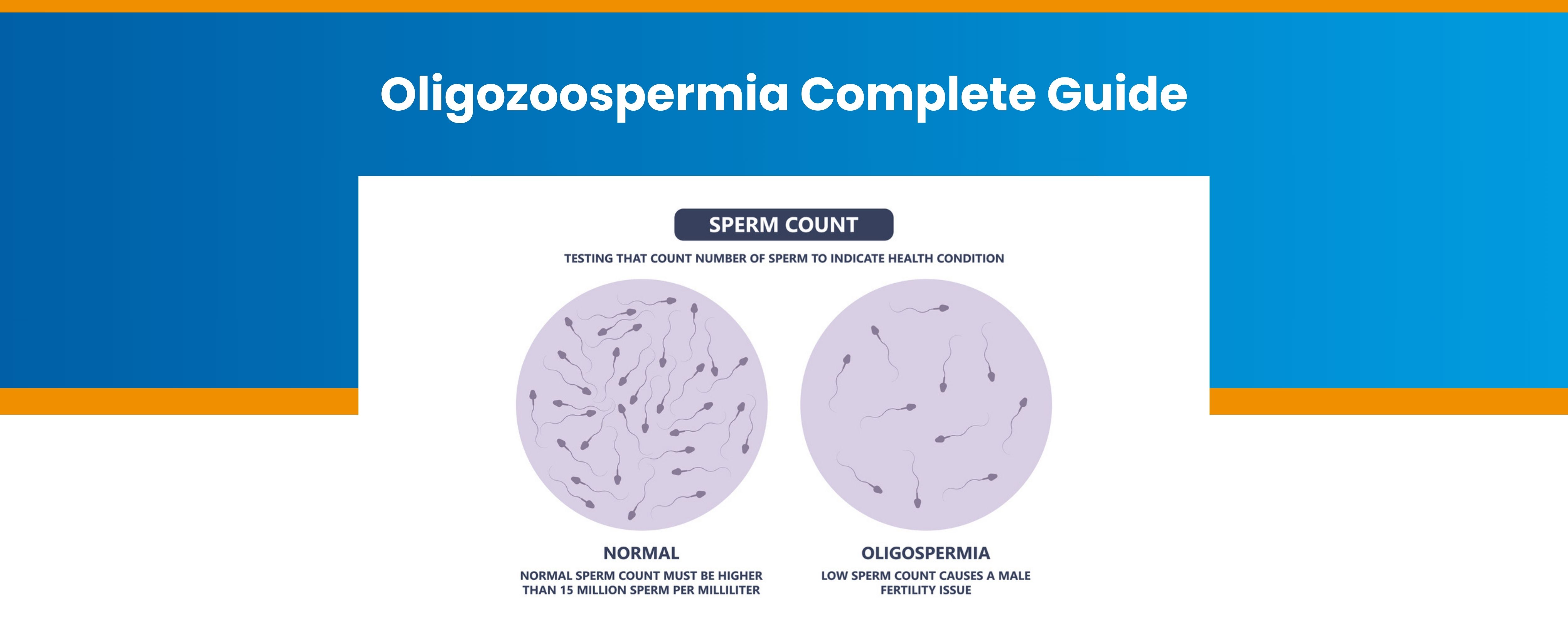
Oligozoospermia is a condition where you have a lower sperm count. A “normal” sperm count is usually 15 million sperm or more per milliliter of semen.
If you have a lower sperm count constantly, conception can be quite difficult for you and your partner. Fewer sperm means less opportunity to fertilize the egg. Hence, addressing the main cause of oligozoospermia is very important.
Common Causes and Risk Factors of Low Sperm Count
There is always a reason for having a low sperm count. Hence, identifying oligozoospermia causes is your first step towards getting an effective treatment. There are several physical issues that are related to lifestyle habits.
Varicocele and its impact on sperm production
-
A varicocele is one of the most common causes.
-
Varicocele is found in up to 40% of men dealing with infertility.
-
The swelling can raise the temperature inside your scrotum.
-
Higher temperatures negatively affect your sperm production and quality.
Hormonal imbalances affecting the hypothalamic-pituitary-gonadal axis
Hormones control your sperm production. Any hormonal imbalance can affect your fertility.
-
Low testosterone levels can harm your sperm production.
-
Abnormal levels of Follicle-Stimulating Hormone (FSH) and Luteinizing Hormone (LH) can signal a problem in the control center of your brain (the hypothalamic-pituitary-gonadal axis).
-
High levels of prolactin can also affect your fertility.
Environmental toxins, medications, and lifestyle factors
Your lifestyle plays a huge role in your sperm health.
-
Smoking decreases your sperm concentration and motility.
-
Excessive alcohol consumption can lower your testosterone levels.
-
Obesity is linked to your hormonal changes that reduce your sperm count.
-
Exposure to pesticides, heavy metals, or radiation can be quite harmful.
-
Certain medications, such as long-term anabolic steroid use or some chemotherapy drugs, can temporarily halt sperm production.
Genetic and structural abnormalities in the reproductive system
Sometimes the cause can be genetic or structural.
-
Genetic conditions, such as a Y-chromosome microdeletion, can limit your sperm production.
-
Obstruction in the tubes that transport your sperm can lead to a low count.
-
Prior infections such as mumps orchitis can damage the testes.
Recognizing Symptoms and When to Seek Fertility Evaluation
Most men who have oligozoospermia have no visible symptoms. The most common symptom is usually
Often no visible symptoms; fertility struggles are a common sign. In some cases, a few men with an underlying cause might notice:
-
Pain, lump, or swelling in your testicle area.
-
Problems with your sexual function, such as difficulty ejaculating or maintaining an erection.
If you have any concerns regarding your health, don't wait. A simple consultation can clarify all your doubts.
How NU Hospitals Diagnoses Oligozoospermia with Precision
At NU Hospitals, our diagnosis process is thorough. We have designed to help you get the exact cause of your oligozoospermia.
Semen analysis and hormonal profiling
-
Semen analysis is a key test. It helps to confirm your diagnosis and the severity of oligozoospermia. It also assesses your sperm motility (movement) and morphology (shape).
-
Hormonal tests, such as blood tests, measure your FSH, LH, and Testosterone.
Genetic testing and imaging as needed
-
Scrotal ultrasound is a non-invasive imaging test. It helps you to detect structural problems.
-
If your sperm count is very low (severe oligozoospermia) or zero (azoospermia), genetic screening may be recommended. It checks for Y-chromosome microdeletions or Karyotyping.
-
Post-ejaculatory urine analysis checks for retrograde ejaculation (sperm traveling backward into the bladder).
Comprehensive fertility assessment for couples
We assess both partners in this journey. This helps to make sure all infertility factors are addressed.
Treatment Approaches Tailored to Cause and Severity
Treatment at NU Hospitals is tailored to you according to your condition.
Surgical correction of varicocele
-
Our surgeons perform a minimally invasive microsurgical varicocelectomy.
-
Varicocelectomy has high success rates. It can significantly improve your sperm count, motility, and morphology.
Hormone therapy and medication for endocrine causes
Certain medications can be used to help you stimulate your production of FSH and LH.
Lifestyle modifications: smoking cessation, diet, stress management
Lifestyle changes can make all the difference.
-
Quit Smoking and Alcohol: Stopping these habits is one of the most effective lifestyle changes.
-
Healthy Diet: A diet that is rich in antioxidants (Vitamin C, E) and Zinc/Folic Acid can boost your sperm quality.
-
Manage Weight: Having a healthy BMI helps to improve your hormone balance.
Assisted reproductive technologies: IUI, IVF, and ICSI when needed
If the above treatments don't help you, your doctor may suggest ART.
-
Intrauterine Insemination (IUI)
Process and concentrated sperm are placed directly into the woman's uterus.
-
In Vitro Fertilization (IVF)
Eggs are retrieved and fertilized with sperm outside the body.
-
Intracytoplasmic Sperm Injection (ICSI):
ICSI is highly effective for severe oligozoospermia. A single, healthy sperm is directly injected into a single egg.
Preventative Tips and Lifestyle Advice to Improve Sperm Health
You can improve your sperm health by making simple, better choices.
Balanced nutrition rich in antioxidants and vitamins
-
Eat antioxidant-rich fruits
-
Include omega-3 fats in your diet
-
Add zinc, selenium, and vitamin E
-
Stay hydrated
Avoiding heat exposure and harmful substances
-
Do not keep laptops on your lap
-
Avoid saunas and hot tubs
-
Reduce exposure to chemicals
Regular exercise and healthy weight maintenance
-
Exercise for 30 minutes every day
-
Avoid excessive gym supplements
-
Maintain a healthy BMI range








