 Nephrology
 Urology
 Andrology
 Fertility (IVF)
 General Nephrology
 Paediatric Nephrology
 Dialysis
 Renal (Kidney) Biopsy
 CRRT
 Peritonial Dialysis
 Robotic Surgery
 Urinary Incontinence
 Uro-Oncology
 Laparoscopic Urology
 Reconstructive Urology
 Anaesthesiology
 Radiodiagnosis
 Nutrition and Dietetics
 Pediatric and Immunization
 Cardiology
 Intensive Care Unit




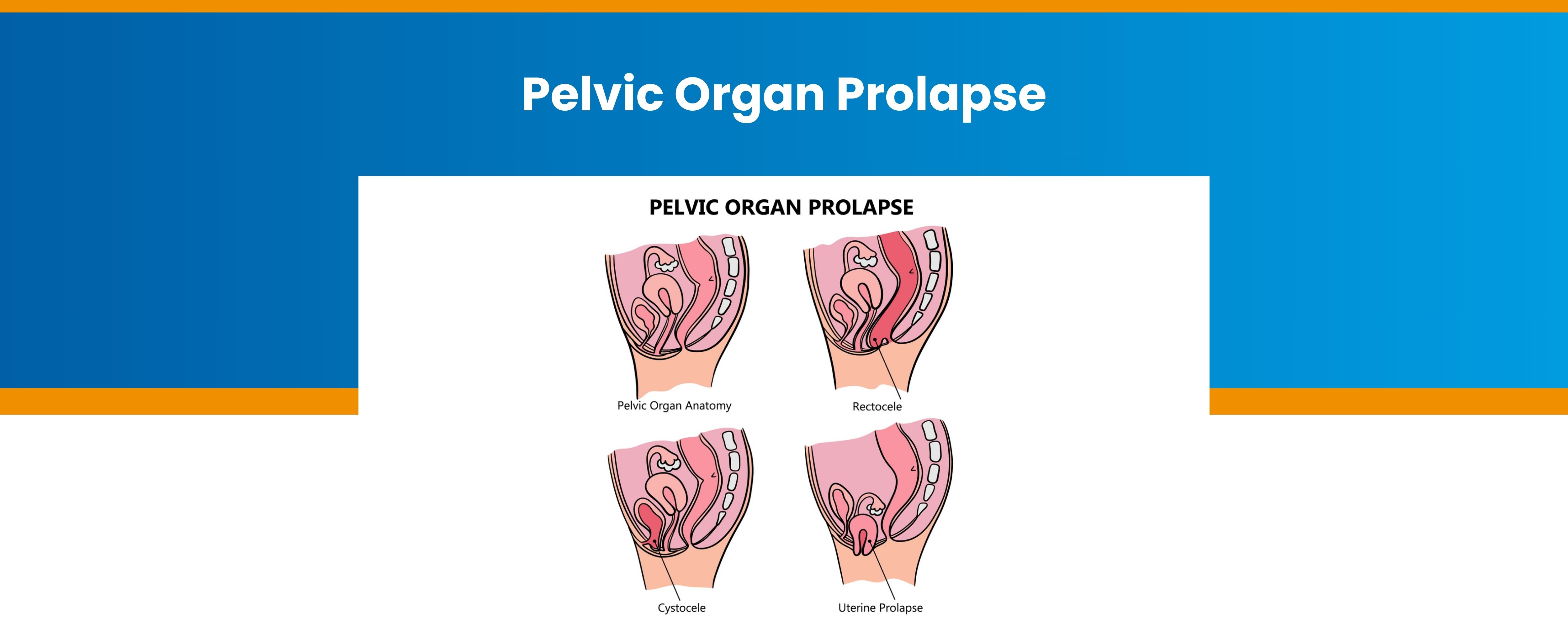
Persistent heaviness in your pelvis region? Are your pelvic organs affected? Are you uncomfortable with mobility and daily chores? This could be pelvic organ prolapse. This is not only a female health concern,but something that affects a woman’s day-to-day life.
Let us understand more about pelvic organ prolapse, its causes, symptoms and how we at NU Hospitals, Bangalore, treat it.
Here is a quick takeaway from this article:
-
POP – Pelvic organ prolapse occurs when your bladder and uterus (pelvic organs) drop due to a weak support system
-
The most common causes include childbirth, multiple pregnancies, age factors, chronic constipation, obesity and pelvic surgeries in the past.
-
Early detection and diagnosis help with treatment success. Treatment ranges from pelvic floor therapy to minimally invasive surgery.
-
NU Hospitals Bangalore offers state-of-the-art diagnosis, world-class holistic care, and advanced and tailored treatment options.
What is Pelvic Organ Prolapse? Understanding Bladder and Uterus Drop
It is uncomfortable to feel a drop or bulge in your vaginal area, but what can it mean? The heaviness in your pelvis may be a sign of pelvic organ prolapse.
This condition can occur when the muscles, ligaments, and tissues that support your pelvic organs (such as the bladder, uterus, or rectum) weaken. This can cause a descent of these organs into the vaginal canal.
This is more common than you think. Do not worry! You are not alone.
It can be seen more in women above 40 years of age. It can affect urination, sexual activity, and your quality of life.
Consult with our uro-gynaecology specialists as soon as you notice any heaviness or bulging near the vagina.
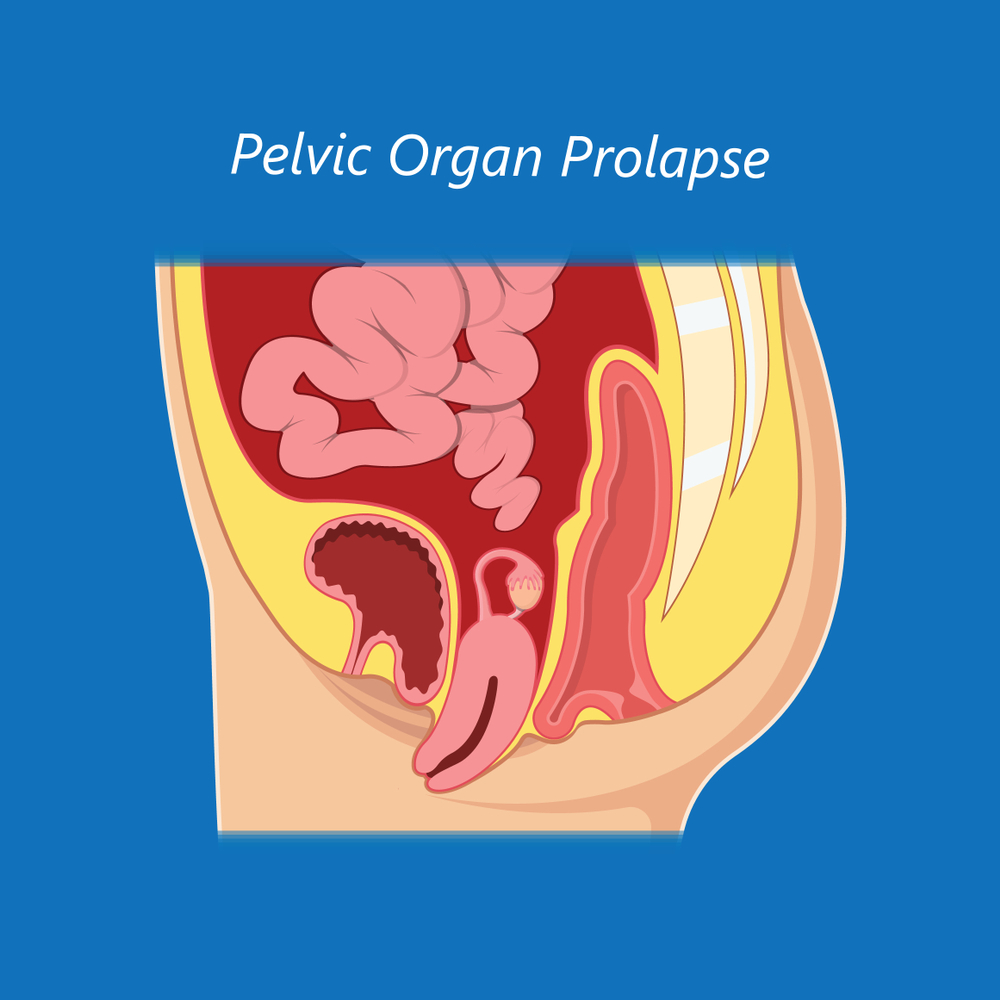
Common Causes and Risk Factors of Pelvic Organ Prolapse
Are you wondering why this happens? Or why are you feeling pelvic weakness after childbirth, while others are not?
The causes could be a combination of many factors, including:
-
Childbirth and multiple pregnancies
Pregnancy stretches the pelvic muscles. Multiple deliveries can increase the risk of weakening in cases where vaginal deliveries are prolonged and complicated.
-
Ageing and menopause
Tissues in your pelvic region lose elasticity with age as the oestrogen levels decline. This can more likely induce a prolapse (bladder/uterus drop)
-
Chronic constipation, heavy lifting, and obesity
All these factors put more pressure on your pelvis and can contribute to POP (pelvic organ prolapse)
-
Genetic predisposition and pelvic surgeries
A few women have naturally weaker pelvises. A few women might develop weaker tissues after a hysterectomy or pelvic surgery. Both can lead to POP.
Here is an overview of the risk factors and their relative contribution to bladder/uterus drop:
Risk Factor |
Associated Risk |
Multiple vaginal childbirths |
High |
Age over 50 |
Moderate |
Chronic constipation/straining |
Moderate |
Obesity |
High |
Previous pelvic surgeries |
Moderate |
Recognizing Symptoms: When to Consult NU Hospitals’ Specialists
You shouldn't dismiss any symptoms, thinking it's normal with age, but if we diagnose a prolapse early, it can be managed well.
Here are a few common symptoms to look out for before you consult NU Hospitals’ specialist
-
A bulge or pressure in the vagina
You can notice with touch or even see that the pelvic organs have shifted from their normal position.
-
Difficulty urinating or passing stools
With the organs out of place, it is tough on bladder and bowel movements.
-
Lower back pain, pelvic heaviness
Shows the dragging sensation due to the descended organs
-
Discomfort during sex or walking
Prolapse interferes with sexual and daily life
-
Frequent UTIs and urinary incontinence
Because the bladder is out of place, there is a chance of infections and leakage.
Precise Diagnosis at NU Hospitals, Bangalore
How to be sure if it's a prolapse? Our expert uro-gynaecologists help you understand your condition and confirm your diagnosis with a few special tests, including:
-
Personal medical history and symptom assessment
Our doctors will thoroughly study your medical history and the number of vaginal deliveries and analyse your symptoms.
-
Pelvic examination and imaging (e.g., ultrasound, MRI)
Imaging techniques like Transvaginal ultrasound, MCU, CT, MRI or 3D pelvic floor can help in analysing the structure, position and descent of your pelvic organs.
-
POP-Q staging for severity grading
This is a gold standard to measure the severity of prolapse. This helps in treatment planning.
Personalized Treatment Options for Pelvic Organ Prolapse
Is POP forever? Should you deal with it? No, we can help you manage it better. NU Hospitals’ uro-gynaecology experts help in restoring pelvic balance with advanced, personalised, minimally invasive treatment options
-
Pelvic floor physical therapy and Kegel exercises
Advised to strengthen your pelvic floor muscles. This can also help in improving mild prolapse and reducing symptoms.
-
Vaginal pessary
This is a safe and comfortable device which is removable. There is no need for surgery, but it can help in supporting pelvic organs.
-
Hormone therapy (as appropriate)
May also be advised for topical oestrogen therapy, as it can help with improving the tissue strength for women post-menopause
-
Minimally invasive and reconstructive surgery (colporrhaphy, sacrocolpopexy, hysteropexy)
-
-
Colporrhaphy
-
A surgery performed to repair the vaginal walls
-
-
Sacrocolpopexy
-
To restore the vaginal vault to normal position
-
-
Hysteropexy
-
To restore the bladder/uterus position to normal
-
Avoidance of outdated mesh procedures unless absolutely necessary
We avoid outdated procedures like mesh placement, etc., to avoid unnecessary complications and help patients recover faster and more safely.
Treatment options vs the severity of POP
POP severity |
Recommended treatment |
Outcomes |
Mild |
Kegel exercisesPessary |
Symptom relief |
Moderate |
PessaryPhysiotherapy |
Symptoms controlHelps in monitoring progression |
Severe |
Minimally invasive reconstructive surgeries |
Long-term correctionBetter quality of life |
Prevention Tips and Lifestyle Advice
Can you prevent POP? Prolapse can be kept at bay with the right lifestyle choices, like:
Weight management and core strength
-
Maintain a healthy weight
-
Exercise regularly
-
Do not strain your pelvis
-
Work on your core and pelvic muscles
Avoiding constipation and heavy lifting
-
Eat a fibre-rich diet
-
Drink enough water
-
Do not indulge in strenuous exercises
Smoking cessation and post-menopausal care
-
Stop smoking and drinking
-
Focus on care post menopause
-
Have regular checkups
-
Consult an expert if you see any symptoms








