 Nephrology
 Urology
 Andrology
 Fertility (IVF)
 General Nephrology
 Paediatric Nephrology
 Dialysis
 Renal (Kidney) Biopsy
 CRRT
 Peritonial Dialysis
 Robotic Surgery
 Urinary Incontinence
 Uro-Oncology
 Laparoscopic Urology
 Reconstructive Urology
 Anaesthesiology
 Radiodiagnosis
 Nutrition and Dietetics
 Pediatric and Immunization
 Cardiology
 Intensive Care Unit




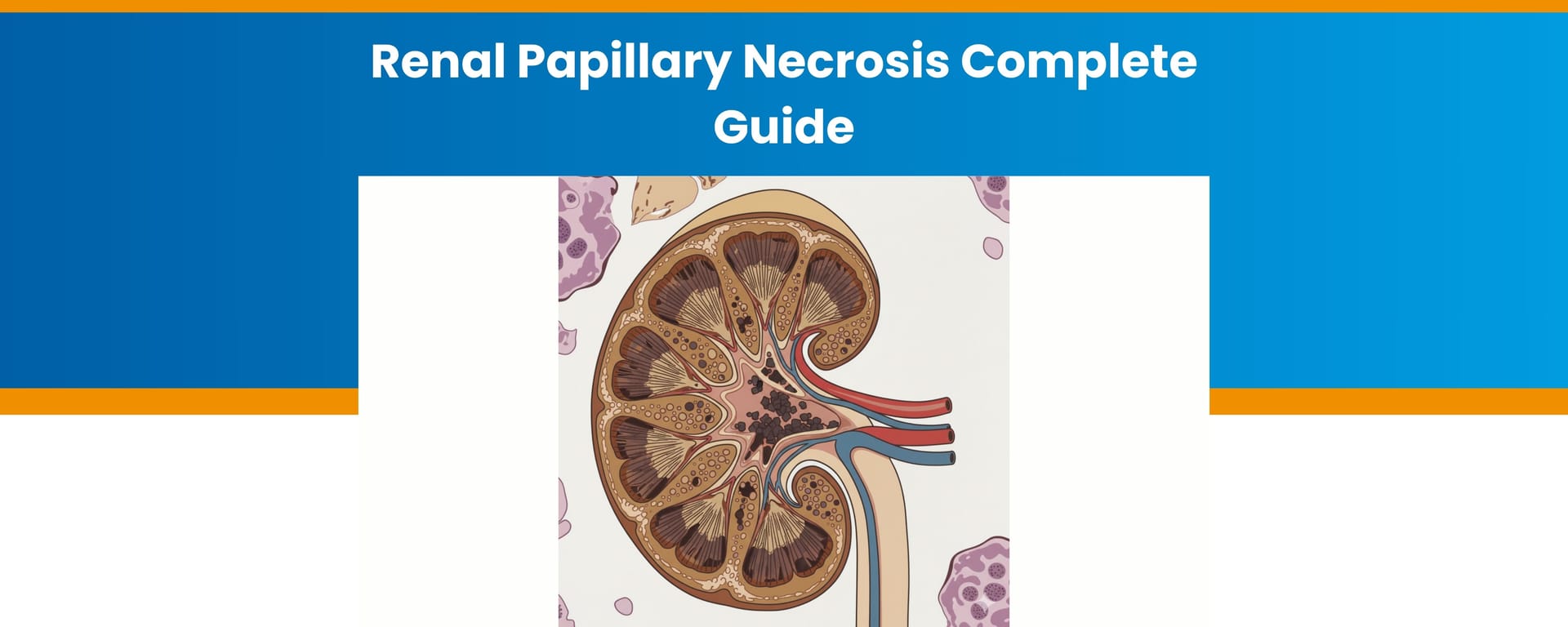
Renal Papillary Necrosis (RPN) is basically a kidney problem affecting the renal papillae, the parts of your kidney that gather urine. While it sounds serious, understanding it is crucial. If ignored, RPN can unfortunately cause major issues like chronic kidney disease or even kidney failure. The good news is that early detection and effective treatment are very powerful tools for protecting your kidney health. Here’s a comprehensive overview of RPN, along with its symptoms and causes, diagnosis, and prevention.
What is Renal Papillary Necrosis?
The kidneys are the indispensable filters of your entire system, purging toxic waste from your blood while controlling critical fluid balance. Most of us start with two kidneys, each loaded with millions of powerful, microscopic filters called nephrons. Blood is delivered aggressively through the renal arteries, branching into vessels that deliver oxygen.
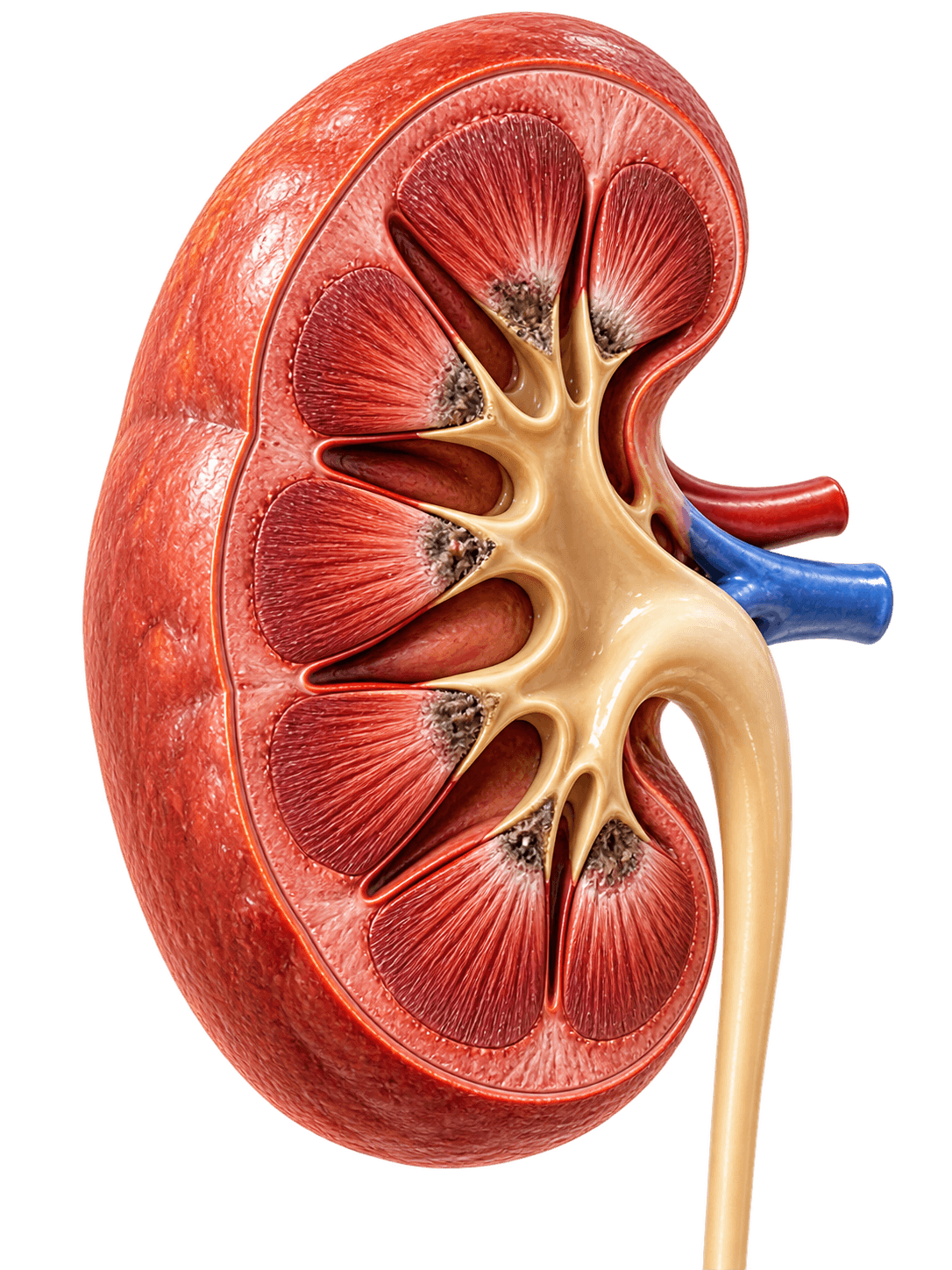
Inside, dedicated cells are constantly working, ripping waste and excess water from the blood. The product, urine, then flows swiftly through a labyrinth of small tubes into the inner medulla. The medulla's clever funnels gather this fluid into larger ducts, leading it straight to the essential renal papilla. After collecting in the renal papillae, urine moves to the kidney's centre, travels through the ureters, and collects in the bladder until it’s time to go.
Renal Papillary Necrosis happens when cells in the papillae and medulla die, causing damage. It is essential to address this because necrosis lowers the kidney’s ability to filter, which can cause long-term problems if treatment is not started quickly.
Symptoms of Renal Papillary Necrosis
It is important to know that early Renal Papillary Necrosis can be sneaky, often showing no symptoms, making it very hard to catch early. Many people only find out they have it when they are being tested for something else.
It is critical to recognise when the disease has advanced, as this progression requires immediate clinical attention. If you or someone you know has RPN risk factors, be highly observant of the following symptoms, which indicate increased kidney damage and distress:
-
Flank Pain: Sharp, persistent discomfort localised in the side or lower back.
-
Dysuria: Painful, burning sensations when passing urine.
-
Hematuria: You see blood in your urine, or it's found in tests.
-
Fever and chills: You develop a fever, possibly from a secondary infection.
-
Pyuria: Your urine contains white blood cells, showing inflammation.
-
Nocturia: You have to get up many times during the night to go to the bathroom.
-
Recurrent UTIs: You keep getting urinary tract infections.
Causes and Risk Factors
Renal Papillary Necrosis develops when your kidneys face a combination of medical, environmental, and lifestyle pressures. Understanding these factors is key to prevention.
Infections and Environmental Causes
A severe kidney infection, like pyelonephritis, can inflame and damage the renal papillae. Exposure to toxins or medications worsens the effect.
Genetic and Autoimmune Causes
Some people have inherited risks, while autoimmune conditions like lupus can cause the immune system to attack kidney tissue.
Lifestyle and Diet
Smoking, heavy alcohol consumption, poor nutrition, and chronic dehydration add further stress. Awareness and proactive lifestyle changes are critical to prevent papillary necrosis and maintain kidney health.
Who is at Risk?
Several factors increase the likelihood of Renal Papillary Necrosis:
-
Age: Natural decline in kidney function makes older adults more susceptible.
-
Gender: Men are affected more frequently than women.
-
Underlying medical conditions: Diabetes, hypertension, and urinary tract obstructions are major contributors.
-
Geographic and environmental exposure: Areas with higher infection rates or exposure to nephrotoxic substances may see more cases.
Diagnosis and Tests
Early and accurate diagnosis of Renal Papillary Necrosis helps keep the kidney working. Doctors use these three tests:
-
Urography: Clear images from X-rays, CT scans, or MRIs with contrast dye allow us to visualise the kidneys and detect necrotic tissue early.
-
Ureteroscopy: If necessary, a flexible tube with a camera is used to provide direct, detailed visualisation of the kidney's collecting system.
-
Kidney biopsy: Requires only a minimal tissue sample for rapid microscopic examination, delivering the quickest, most secure definitive diagnosis.
Risk Assessment and Functional Metrics:
-
Blood Urea Nitrogen (BUN): Used to gauge the risk of nitrogenous waste accumulation; elevated levels are a high-risk flag.
-
Creatinine: Monitored closely; high blood concentrations signal a severe reduction in the kidney's clearance safety net.
-
Estimated Glomerular Filtration Rate (eGFR): Calculated from age, sex, race, and creatinine to provide a critical assessment of remaining filtration capacity.
-
Urinalysis: A frontline defence test to identify signs of internal bleeding, inflammation (WBCs), and tissue sloughing.
-
Urine protein/creatinine ratio: The ratio is used to accurately measure protein excretion, a key clinical marker of compromised glomerular filtration.
Treatment and Prevention of Papillary Necrosis
Here is the plan to treat papillary necrosis and build lasting kidney strength:
Medical Treatments
Managing Renal Papillary Necrosis involves treating the underlying cause and controlling symptoms:
-
Antibiotics: Prescribed if infections are present to eliminate pathogens.
-
Pain management: Controls discomfort that could otherwise impede recovery and stability.
-
Surgical intervention: A necessary step in high-risk scenarios to remove dangerous obstructions or severely damaged tissue before further complications arise.
Non-Pharmacological Treatments
Changing your habits makes your kidneys stronger:
-
Dietary changes: Eat less salt and fill your plate with fruits and vegetables to help the kidneys filter cleanly.
-
Hydration: The basic principle of fluid balance; adequate intake is the paramount measure to counter internal concentration and preserve the integrity of the filtration process.
-
Regular exercise: Physical activity is recommended to strengthen the heart and enhance blood supply to all organs, including the kidneys.
Special Considerations
Treatment approaches may vary depending on patient demographics:
-
Paediatric patients: Despite best efforts, management must be careful, because avoiding medication side effects in children is notoriously difficult.
-
Geriatric patients: Older adults, predictably, have a stack of health conditions, meaning the treatment plan is inevitably complex and needs aggressive tailoring.
Prevention
Preventing Renal Papillary Necrosis focuses on minimising risk factors:
-
Vaccinations: You absolutely must keep your shots up to date; this is a powerful way to drastically lower your chances of high-risk infections.
-
Hygiene: By ensuring clean water and teaching good personal habits, we reduce the spread of bacteria globally, thereby dramatically lowering the incidence of urinary tract infections.
-
Diet: Eating a balanced mix of foods provides the specific vitamins and minerals your kidneys need to stay healthy and perform their filtering job.
-
Lifestyle: Avoid smoking and keep alcohol intake low because these toxins place a direct and heavy stress on your kidneys, increasing damage risk.
When to See a Nephrologist?
It is crucial to talk to your doctor right away. If you have side pain that won't go away, keep getting bladder infections, notice blood in your urine, or have other signs that your kidneys might be hurt, get checked out. Finding the problem early means the doctor can step in, stop things from getting worse, and keep your kidneys healthy for a long time.
Conclusion
Renal Papillary Necrosis is a serious kidney disorder involving tissue death. Delayed diagnosis is highly dangerous, leading to devastating infections, total kidney failure, or painful obstruction. You must recognise every symptom and immediately undergo tests. Treatment protocol, lifestyle adjustment, and monitoring stabilise function, reducing the risk of complications. Prompt professional advice unlocks the best long-term renal future.








