 Nephrology
 Urology
 Andrology
 Fertility (IVF)
 General Nephrology
 Paediatric Nephrology
 Dialysis
 Renal (Kidney) Biopsy
 CRRT
 Peritonial Dialysis
 Robotic Surgery
 Urinary Incontinence
 Uro-Oncology
 Laparoscopic Urology
 Reconstructive Urology
 Anaesthesiology
 Radiodiagnosis
 Nutrition and Dietetics
 Pediatric and Immunization
 Cardiology
 Intensive Care Unit




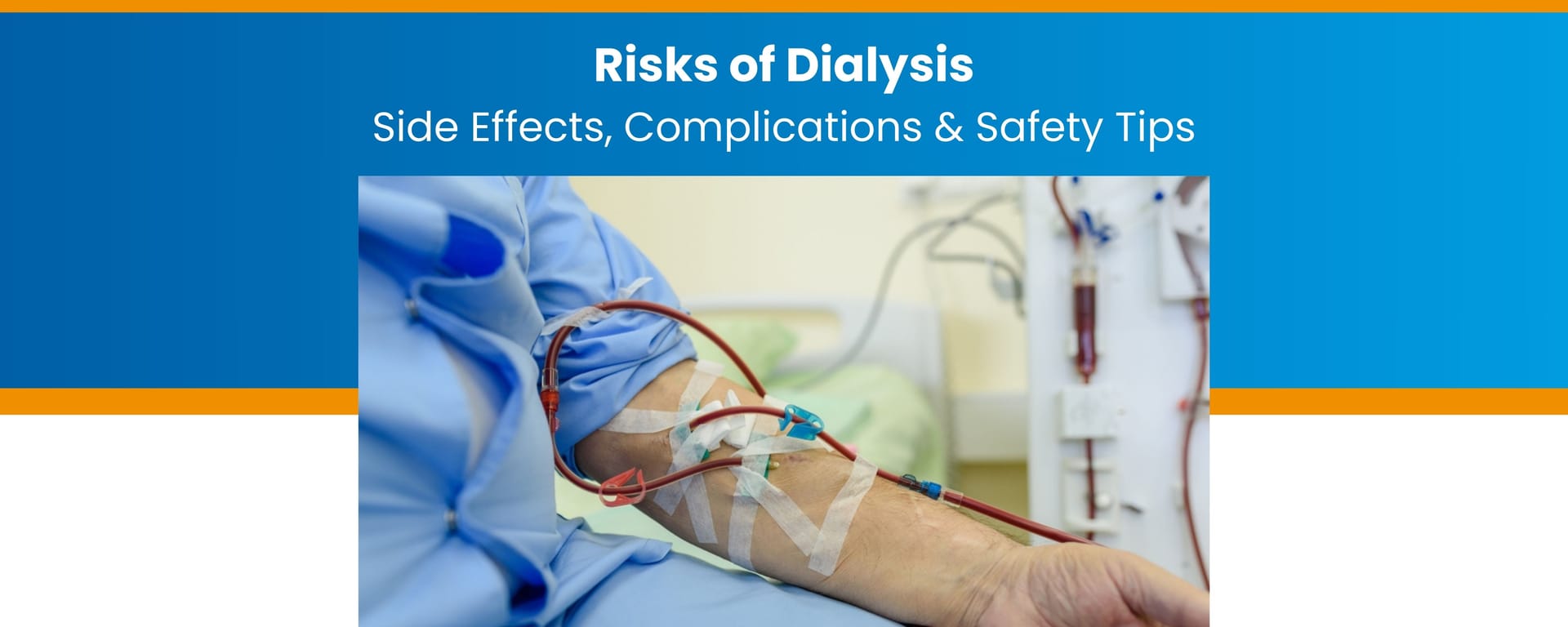
Have you been diagnosed with CKD? Has your doctor given you the option of dialysis?
Dialysis is lifesaving. It purifies your blood when your kidneys stop working.
In general, Dialysis is a safe renal replacement therapy, though it has limitations compared with renal transplantation. Dialysis helps end-stage renal disease patients to bridge the time gap of transplantation and also improves the quality of life as well as longevity in those transplants is not feasible due to some reasons.
It is important to know about dialysis related complications which can be avoided by taking precautionary measures. Most of these are due to underlying disease conditions rather than dialysis per se.
Before you start your dialysis journey, it is important that you know the risks of dialysis too. This will help you to prepare for your journey.
2.5 million people worldwide go through dialysis. The number of patients needing dialysis is constantly increasing.
NU Hospitals, Bangalore, is a leading nephro-urology hospital. We focus on safe, infection-free, closely monitored dialysis care. We provide you with world-class dialysis treatment, right here in Bangalore.
If you or your loved one is planning to go through dialysis, consult with our expert nephrologist to learn more about dialysis care, hemodialysis vs peritoneal dialysis modalities, and how to choose the right one for you.
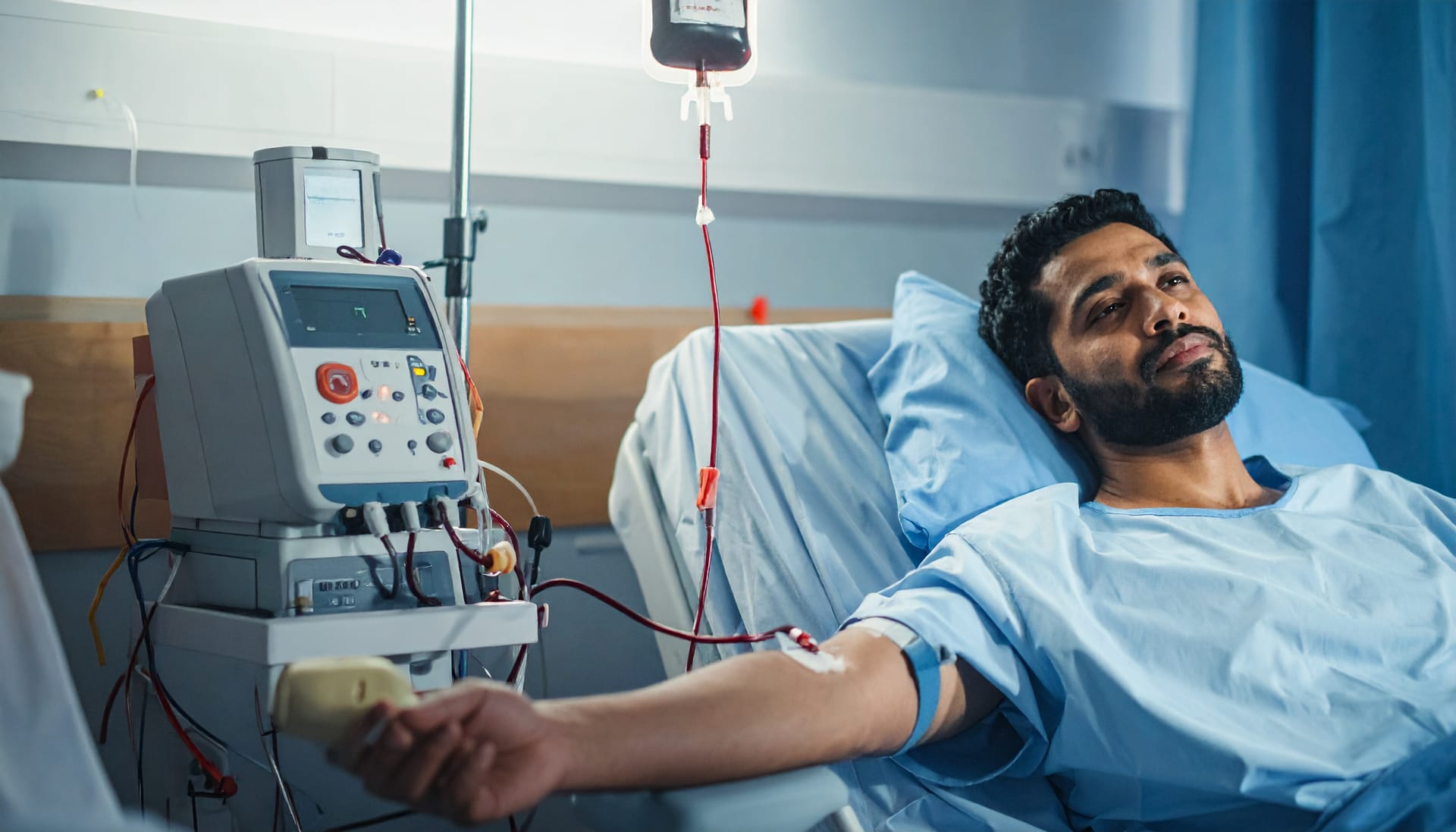
What Are the Risks of Dialysis?
Dialysis is quite important when your kidneys stop working. However, sometimes dialysis patients may have certain complications which could be life-threatening.
Why Complications Can Happen During Treatment
Dialysis makes major changes in your body's fluid and chemical balance.
-
Rapid Fluid Shifts
The dialysis machine removes large amounts of fluid from your body quickly. This sudden change can stress your heart and blood vessels.
-
Access Point
Both types of dialysis require an entry point. Central vein catheters and peritoneal dialysis catheters can be vulnerable to infection.
Anticoagulants use: These agents are used to prevent clotting of blood in the tubes during hemodialysis process which carries bleeding risks.
Hemodialysis vs Peritoneal Dialysis Risks
The risks of dialysis can also depend on the type of treatment you choose.
Feature |
Hemodialysis (HD) Risks |
Peritoneal Dialysis (PD) Risks |
Infection Risk |
Access site infection (fistula, graft, or catheter) |
Peritonitis (infection of the abdominal lining) |
Physical Strain |
Low blood pressureCrampsHeadaches |
HerniasBelly discomfortBack pain |
Fluid Management |
Quick fluid removal can make you feel weak or dizzy |
Fluid absorption can cause weight gain |
Access problems |
Access failure |
Catheter dysfunction |
Common Risks of Hemodialysis
Hemodialysis (HD) is usually done three times a week. It cleans your blood using a dialyzer in the machine. The risks of hemodialysis depend on patient factors like immunity, cardiac status and diet compliance.
-
Low Blood Pressure During Dialysis
This is one of the most common dialysis complications. You may experience
-
-
Sudden drop in BP
-
Dizziness
-
Nausea
-
Fainting
-
-
Muscle Cramps, Headaches & Fatigue
-
Muscle Cramps in your legs. It can happen due to rapid fluid shifts and electrolyte imbalances.
-
Headaches can happen at the end of a session due to blood pressure changes.
-
Several patients feel completely exhausted after a session.
-
-
Dialyzer Reactions & Allergies
This is quite rare but serious. Your symptoms may include shortness of breath, chest pain, back pain, or hives.
If you experience any of these, inform your dialysis team immediately.
-
Access Site Infections (AV Fistula / Catheter)
Access site infection is a major part of the complications of dialysis. You may experience:
-
-
Redness
-
Swelling
-
Pain
-
Pus
-
Fever
-
With proper hygiene and an experienced team, you can avoid these risks of hemodialysis
Risks of Peritoneal Dialysis
Peritoneal Dialysis (PD) uses the lining of your abdomen (peritoneum) as a natural filter. It is done at your home. The major risks of peritoneal dialysis revolve around your abdominal area.
-
Peritonitis Infection
Peritonitis is the most serious complication of PD.
-
-
It is an infection in your peritoneal lining.
-
It is caused by bacteria entering your abdomen via the catheter.
-
If untreated, it can be life-threatening.
-
-
Hernias & Abdominal Discomfort
-
The constant presence of dialysis fluid in your abdomen can increase the pressure. This can then lead to a hernia.
-
A feeling of fullness or bloating is common in peritoneal dialysis.
-
-
Catheter Issues & Fluid Leaks
-
Your catheter can shift or become blocked. This can make the fluid exchange difficult.
-
Dialysate can sometimes leak around the catheter exit site. This increases your infection risk.
-
Long-Term Complications of Dialysis
Living on dialysis for years can lead to several health challenges.
-
Bone Disease & Mineral Imbalance
This is due to a calcium-phosphorus imbalance in your body.
-
Anemia & Heart Problems
Dialysis patients face higher chances of:
-
-
Low hemoglobin
-
Heart enlargement
-
Irregular heartbeat
-
-
Malnutrition & Weak Immunity
Your body loses protein during the dialysis treatment.
Who Is More at Risk of Dialysis Complications?
While anyone on dialysis can face challenges. However, few people face more dialysis complications.
-
Older Adults & Diabetics
-
Older patients and people with diabetes face higher risks.
-
Their bodies are not able to handle stress.
-
-
Patients with Heart disease or Infections
-
Heart disease or ongoing infections increase your risk.
-
Extra care is needed for such patients.
-
-
People with Low Immunity Levels
-
Weak immunity makes infections more common.
-
Vaccines against Hepatitis B infections, pneumococcal and influenza infections
-
Hygiene is very important.
-
How NU Hospitals Bangalore Minimizes Dialysis Risks
At NU Hospitals, Bangalore, patient safety is our highest priority. We provide you with high-quality dialysis care.
-
Advanced Infection Control & Monitoring
-
We follow strict, world-class infection control protocols for every patient.
-
State-of-the-art water purification systems protect against hidden bacterial risks.
-
Access sites and vital signs are monitored throughout the session.
-
Over 750,000+ dialysis treatments performed safely in 26 years.
-
We use single-use dialyzers and tubing for every patient to reduce infection risk.
-
Pex RO (Reverse Osmosis) pipelines imported from Germany ensure pure, safe dialysis water.
-
Daily audits of machines and patient parameters maintain high-quality safety standards.
-
Our catheter related infection rate is one of the least in the country.
-
-
Expert Nephrologists and Skilled Dialysis Team
-
A highly experienced team of nephrologists and dialysis technicians handles the most complex cases smoothly.
-
Dialysis dose and fluid removal are personalised based on your body’s response.
-
Our team undergoes regular specialised training in infection control and advanced dialysis care.
-
-
Safe and Hygienic Dialysis Units
-
Our dialysis units are clean, comfortable, and built to high safety standards.
-
Separate machines and dedicated spaces for HBsAg-positive patients prevent cross-infection.
-
Patients get individual tablets or TVs for entertainment during treatment.
-
Tips to Reduce the Risks of Dialysis
Dialysis has several risks. Follow these tips to reduce your risk of dialysis.
-
Proper Eating & Fluid Management
-
Follow your dietician's advice
-
Keep salt intake low in your diet
-
Track your daily fluid intake
-
Keep the interdialytic weight within limit
-
-
Regular Lab Tests & Follow-Ups
Don't skip your tests. Your test results are important for detecting issues like anemia or mineral imbalance early.
-
Protecting Access Site from Infection
Keep the access site clean and healthy.
When to Seek Medical Help During Dialysis
-
Warning Signs Patients Must Watch For
Look out for these warning signs:
-
-
Fever
-
Chest pain
-
Shortness of breath
-
Unusual swelling
-
Very low energy
-
-
Emergencies That Need Immediate Attention
You must never ignore these symptoms.
-
-
Sudden drop in BP
-
Severe cramps
-
Cloudy PD fluid
-
Bleeding from the access site
-
Chest tightness
-
Contact your care team immediately if you notice these signs.








