 Nephrology
 Urology
 Andrology
 Fertility (IVF)
 General Nephrology
 Paediatric Nephrology
 Dialysis
 Renal (Kidney) Biopsy
 CRRT
 Peritonial Dialysis
 Robotic Surgery
 Urinary Incontinence
 Uro-Oncology
 Laparoscopic Urology
 Reconstructive Urology
 Anaesthesiology
 Radiodiagnosis
 Nutrition and Dietetics
 Pediatric and Immunization
 Cardiology
 Intensive Care Unit




Men, your prostate gland may be small, but it plays a huge role in your health. It is one of the most important parts of your body. However, most men do not think about it too much.
A slower urine stream. Frequent night-time bathroom visits. A mild discomfort- they are all quite easy to ignore; however, they are quite difficult to forget.
Your prostate supports urination and fertility. As you age, natural changes in your male prostate can happen. Sometimes these changes are harmless. However, other times, they signal conditions that need attention.
Most prostate conditions develop quietly, without any pain or warning. Hence, early awareness is very important.
At NU Hospitals, Bengaluru, advanced urology expertise is combined with compassionate care and personalized treatment. We help you take charge of your prostate health with confidence and clarity.
Read this blog to understand how your prostate works, where it is located, and how it changes over time.
What is the Prostate Gland?
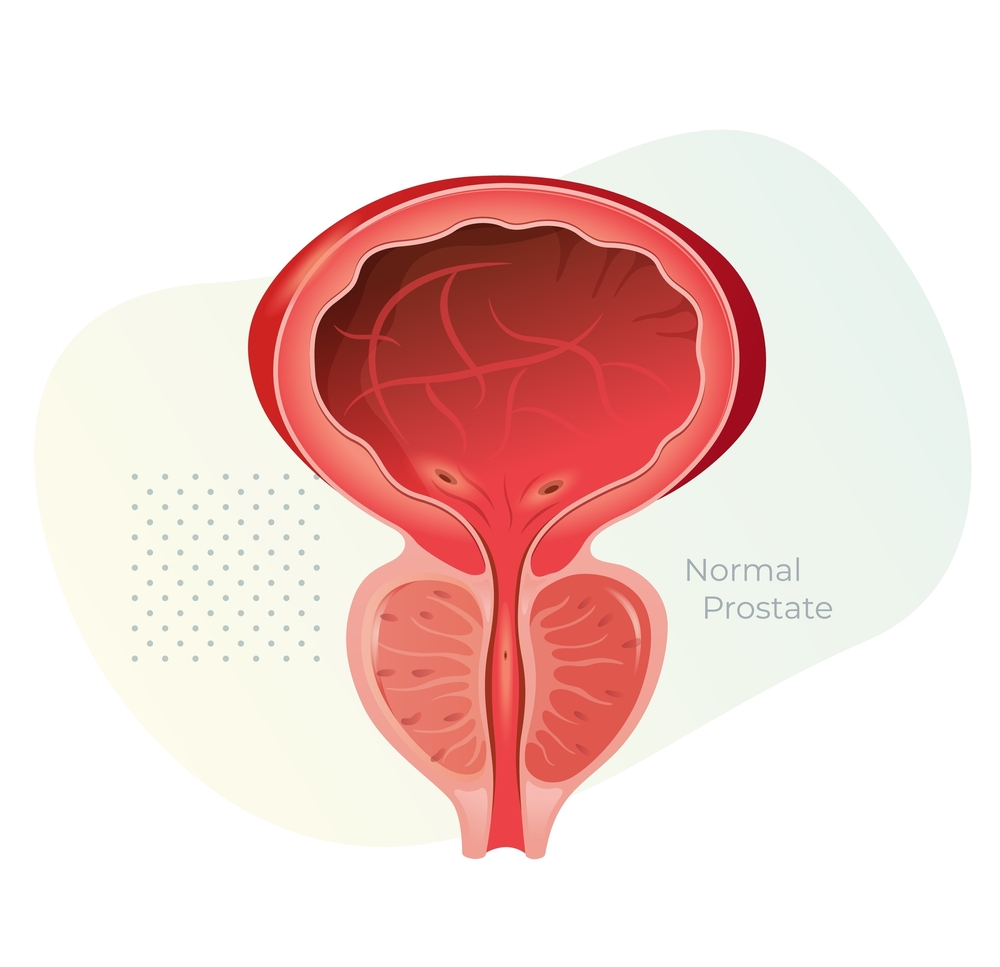
Your prostate gland is a small, muscular gland that is part of your male reproductive system. It also plays a major role in your fertility and urinary control.
It’s not just an extra part; it is important for your fertility and male health.
Your prostate gland produces a thick, milky fluid called semen. This fluid nourishes and protects your sperm. It helps to move your sperm during ejaculation.
Your prostate is unique because it continues to grow throughout your life.
Function of the Prostate Gland
Wondering what your prostate does all day?
-
Fluid Production
It creates about 30% of the volume of semen.
-
Sperm Survival
The fluid is alkaline. It helps your sperm to survive the acidic environment of the female reproductive tract.
-
Zinc Secretion
It secretes high levels of zinc, which has antibacterial properties to prevent infections.
-
Valve Function
During ejaculation, your prostate closes off the bladder neck to make sure your semen goes out, and not back into your bladder.
Any issue with your prostate can affect both your urination and sexual function.
Where is the prostate located?
The prostate location will help you understand its symptoms.
-
Below the Bladder: It sits right below your urinary bladder.
-
In Front of the Rectum: This helps your doctors feel it during a physical exam.
-
Surrounding the Urethra: It wraps around the tube that carries urine and semen out of your body.
-
Deep in the Pelvis: It is placed between your pubic bone and rectum
What does the prostate look like?
-
Shape
Your prostate is shaped like a walnut.
-
Size
In a young man, it’s about the size of a walnut or a golf ball (20 - 25 gm).
-
Texture
The prostate feels firm and smooth in healthy men.
-
Composition
It is made of both glandular tissue (that makes fluid) and muscular tissue (that helps to contract).
As you age, your prostate gland may also grow in size.
Common Prostate Conditions
Prostate conditions are quite common as you grow older. However, the good news is that 2 of these conditions are quite manageable and treatable when diagnosed early.
3 main conditions related to your prostate are:
Benign Prostatic Hyperplasia (BPH)
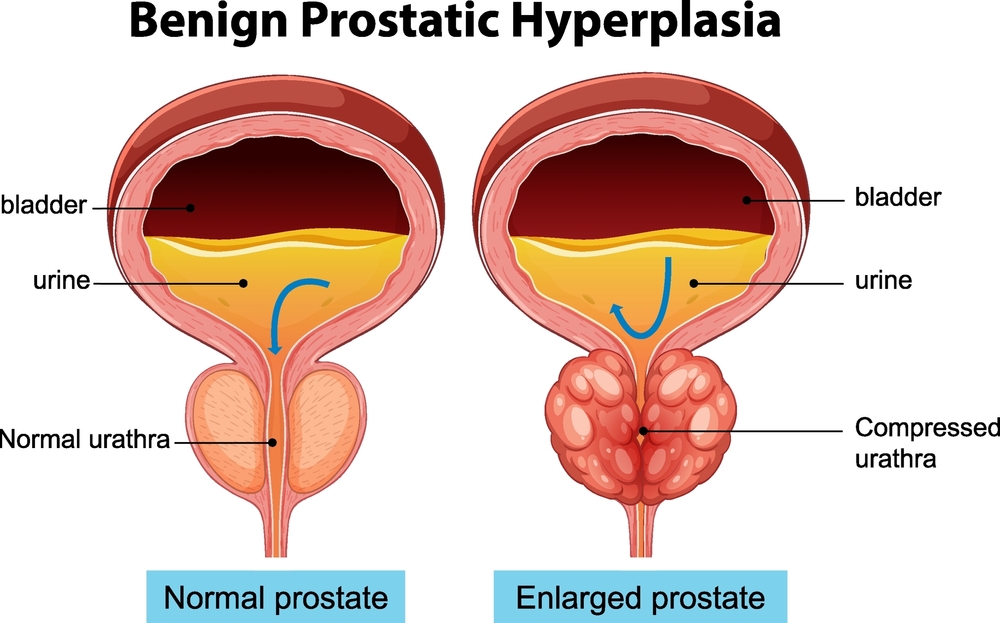
Benign Prostatic Hyperplasia, or BPH, is a non-cancerous enlargement of your prostate gland. It happens when your prostate slowly grows and starts pressing against your urethra, the tube that carries urine out of your body.
Who is affected?
-
Common after the age of 45 years
-
Risk increases with age
Common symptoms include:
-
Frequent urge to urinate, especially at night
-
Weak or slow urine stream
-
Difficulty starting urination
-
Feeling that the bladder is not fully empty
-
Dribbling of urine after finishing
Prostatitis
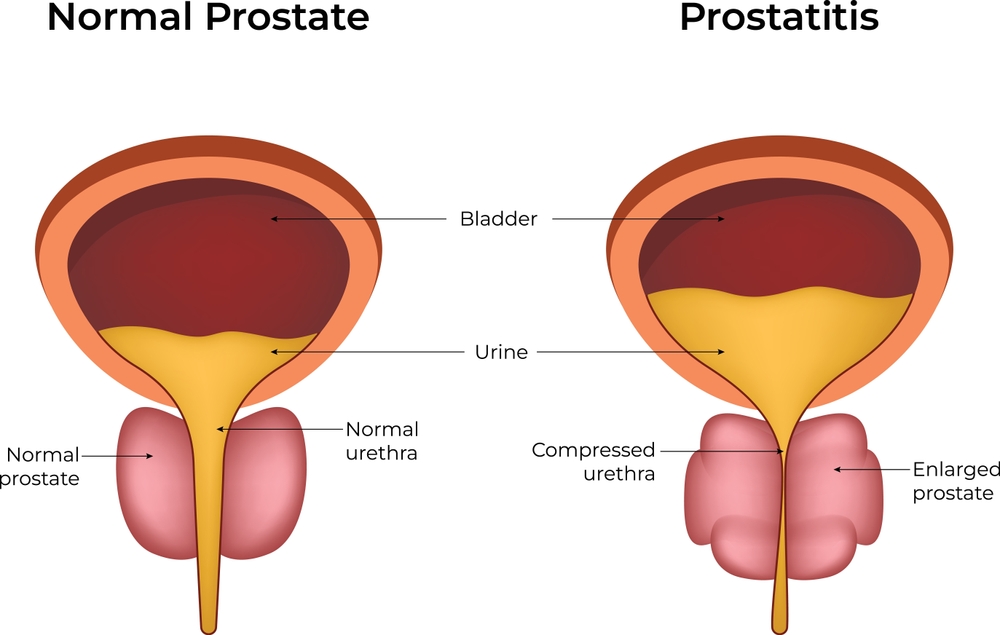
Prostatitis refers to inflammation of your prostate gland. It can affect men of any age. It may be caused by bacterial infection or other non-infectious factors.
Types of prostatitis:
-
Acute bacterial prostatitis
-
Chronic bacterial prostatitis
-
Chronic pelvic pain syndrome
Common symptoms include:
-
Pain in your lower abdomen, pelvis, or lower back
-
Burning or pain during urination
-
Painful ejaculation
-
Fever, chills, and body aches (in acute infections)
-
Flu-like symptoms in severe cases
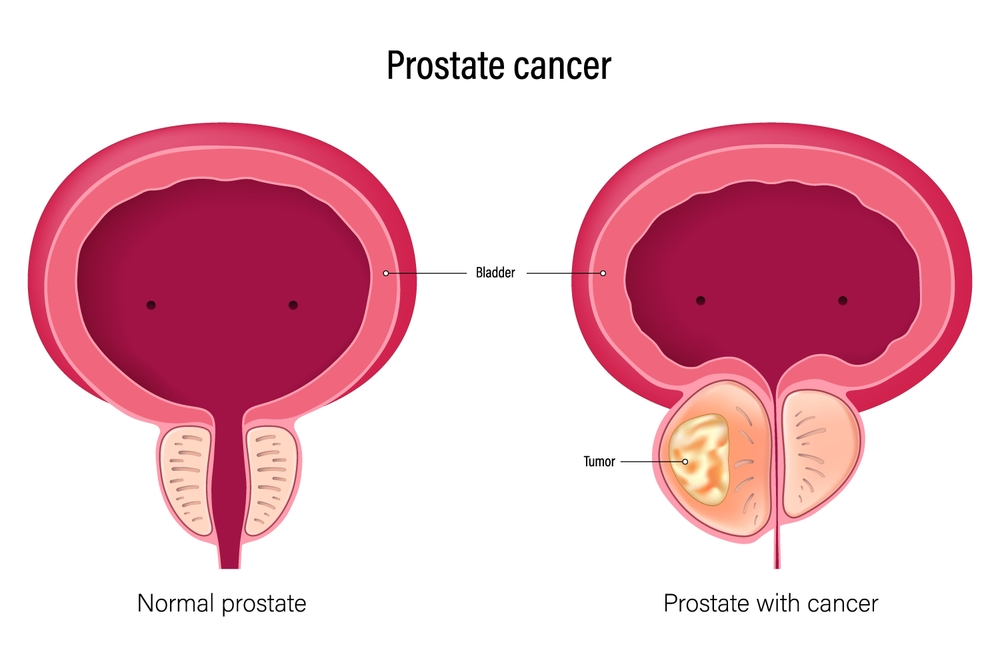
Prostate Cancer
Prostate cancer is one of the most common cancers in men, especially after the age of 50. In most cases, it grows very slowly and may not cause symptoms in the early stages.
Risk factors include:
-
Increasing age
-
Family history
-
Lifestyle factors
Early-stage symptoms :
-
No noticeable signs
-
Detected through PSA tests or routine screening
Possible later symptoms:
-
Difficulty urinating
-
Blood in urine or semen
-
Bone pain (in advanced stages)
Condition |
Cause |
Primary Symptom |
BPH |
Hormonal changes with age |
Difficulty urinating |
Prostatitis |
Bacteria |
Pelvic pain/Burning |
Prostate Cancer |
Genetic/Cellular mutation |
Often asymptomatic in the early stages |
How to diagnose prostate conditions?
If your prostate gland is enlarged, doctors will confirm the diagnosis with the help of several tests:
-
Digital Rectal Exam (DRE): A quick physical check where the doctor feels your gland for bumps or hardness.
-
PSA Blood Test: Measures your Prostate-Specific Antigen. High levels may indicate BPH, infection, or cancer.
-
Ultrasound: Uses sound waves to create a picture of your gland.
-
Urine Flow Test: Measures how fast the urine leaves your body.
-
Biopsy: Taking a tiny tissue sample if cancer is suspected.
How to maintain prostate health?
Here is how you can keep your Prostate Gland happy:
-
Eat Vegetables
Tomatoes (rich in lycopene), broccoli, and green tea are good for your prostate health.
-
Stay Active
Regular exercise will help to regulate your hormones and reduce the risk of prostate enlargement.
-
Hydrate Wisely
Drink an adequate amount of water.
-
Limit Red Meat
High-fat diets are often linked to higher risks of prostate disorders.
-
Regular Check-ups
After age 50 (or 45 if you have a family history), regular screening is important.
Protect Your Prostate Health
Your Prostate Gland might be small, but it plays a massive role in your quality of life. Ignoring your prostate health can only make it more difficult to ignore. However, with a little bit of knowledge and a healthy diet, you can protect your prostate health.
At NU Hospitals, we focus on keeping you healthy. Don't let prostate disorders slow you down. Book your consultation today and live your life with confidence!








