 Nephrology
 Urology
 Andrology
 Fertility (IVF)
 General Nephrology
 Paediatric Nephrology
 Dialysis
 Renal (Kidney) Biopsy
 CRRT
 Peritonial Dialysis
 Robotic Surgery
 Urinary Incontinence
 Uro-Oncology
 Laparoscopic Urology
 Reconstructive Urology
 Anaesthesiology
 Radiodiagnosis
 Nutrition and Dietetics
 Pediatric and Immunization
 Cardiology
 Intensive Care Unit





How does prostate health affect men? What does a PSA test suggest? Should every man get a PSA screening done?
Let's find answers to all these questions in this blog.
Here are the key takeaways from today’s article:
-
A PSA test is used for the early detection of prostate cancer. It is a blood test.
-
The normal PSA levels change with age; what is normal at 45 may not be at the age of 65
-
High PSA levels could indicate benign enlargement, infection and malignant (cancerous) conditions of the prostate.
-
Men over the age of 45 with a family history should undergo PSA screening and digital rectal examinations by urologists.
-
Early intervention and accurate diagnosis at NU Hospitals help with better outcomes.
What Is a PSA Test, and Why Does It Matter?
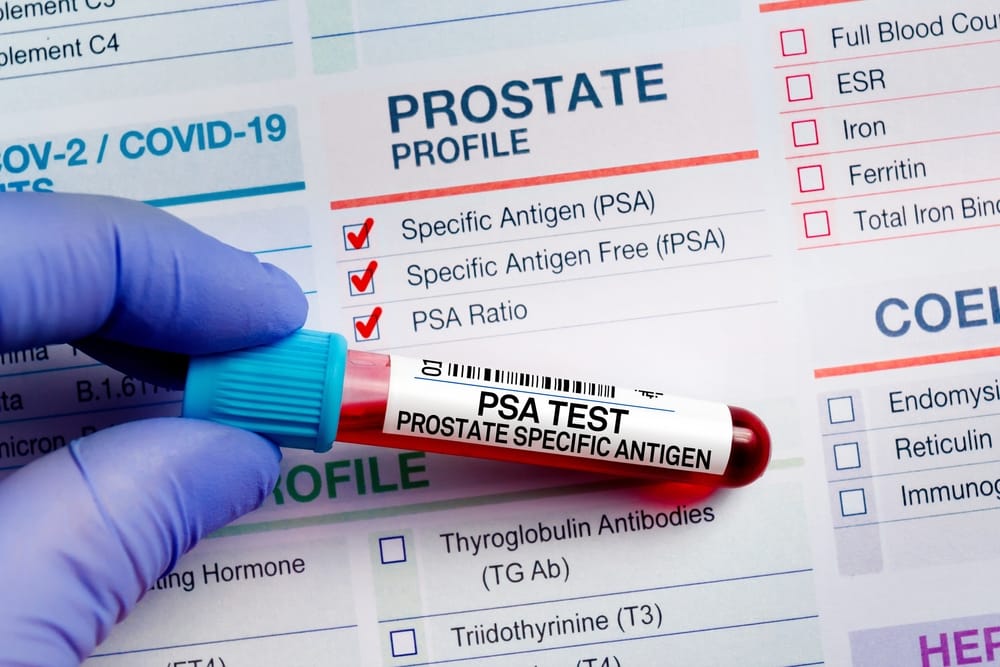
A PSA test helps you detect prostate infections, enlargement and cancer.
Prostate specific antigen is a protein produced by your prostate gland. The PSA test measures the amount of this protein.
PSA levels are higher when your prostate has inflammation, benign enlargement or has cancer growth.
Prostate is an important part of your urinary and reproductive system.
What Is a Normal PSA Level by Age?
Wondering what normal PSA levels are? Here are a few normal levels of PSA by age:
Age-adjusted normal PSA level
Age group |
Normal range (ng/mL) |
Borderline/high-risk range |
40-49 |
0-2.5 |
2.6-4.0+ |
50-59 |
0-3.5 |
3.6-5.0+ |
60-69 |
0-4.5 |
4.6-6.0+ |
70+ |
0-6.5 |
6.6-8.0+ |
As you age, the prostate gland tends to grow. The prostate releases more protein at an older age, even without cancer.
How Do You Prepare for PSA Screening?
A little preparation helps before PSA (Prostate Specific Antigen) screening.
-
Avoid cycling, heavy exercise and ejaculation for 24-48 hours before the test (if not, there are chances to find elevated levels)
-
Communicate everything with your urologist: your medication history, etc.
-
After the test, revisit your doctor to understand your situation
-
Follow routine tests as advised by your doctor
-
Ensure you take all medications and future steps as discussed
PSA Screening: What the Studies Say
Did you know?
With regular PSA screening, prostate cancer deaths were reduced by 13% – European study.
Another recent study found PSA screening reduced prostate cancer-specific mortality by 20-31% in selected groups.
Even though PSA tests are helpful, you should not do them all by yourself. It should be a shared decision between you and your doctor. Our experts will suggest what fits best for you.
What Causes Your PSA to Be High?
Are your PSA levels high? Does it mean something life-threatening? No, it could be anything.
The major causes of high PSA are:
-
Benign Prostatic Hyperplasia (BPH)
A benign (non-cancerous) enlargement of the prostate gland arising from age
-
Prostatitis
An infection or inflammation of the prostate is called prostatitis
-
Urinary tract infection
Can raise PSA temporarily
-
Recent surgery
Can raise PSA temporarily
-
Recent ejaculation or high-intense physical activity
It can also increase the levels temporarily
Comparing PSA Test with Digital Rectal Exam (DRE)
What is DRE? How is it different from PSA? Should you get both? Let’s find out!
Test |
How it works |
Detection |
PSA test |
A blood test to measure prostate-specific antigen levels |
Chemical changes in the prostate gland |
Digital Rectal Exam (DRE) |
A physical exam to check the prostate through the rectum |
To check the size, shape, and texture changes |
Our experts may advise both tests. A combined test can give a clear picture of the exact issue.
What If My PSA Is Elevated? What Next?
It is your time to be alert if your PSA levels are high. Here is what you should do next:
-
Repeat the test in a couple of months
This rules out any temporary spikes
-
Get a Total PSA ratio checked
When free/total PSA levels are lower, the higher the cancer risk
-
Your doctor might advise:
-
-
Prostate MRI (mp-MRI)
-
Transrectal Ultrasound (TRUS)
-
Biopsy of prostate (Transrectal or trans perineal)
-
-
Get the benefit of getting treated early with early detection.
We are here with you at all the steps of your journey: diagnosis, treatment and recovery.
PSA Test & Prostate Health: What Can You Do to Stay Ahead?
How can you maintain prostate health? Here are some tips from our experts:
-
Follow a healthy diet.
A diet rich with vegetables, lean protein, less red meat and salt
-
Exercise
Stay active with at least 30 minutes of exercise regularly
-
Quit smoking and alcohol consumption
Can reduce your risk of prostate issues
-
Maintain a healthy weight.
Does not stress your body
-
Monitor your blood pressure
High BP strains your body
-
Routine PSA/DRE tests
Attend all your scheduled tests promptly








